
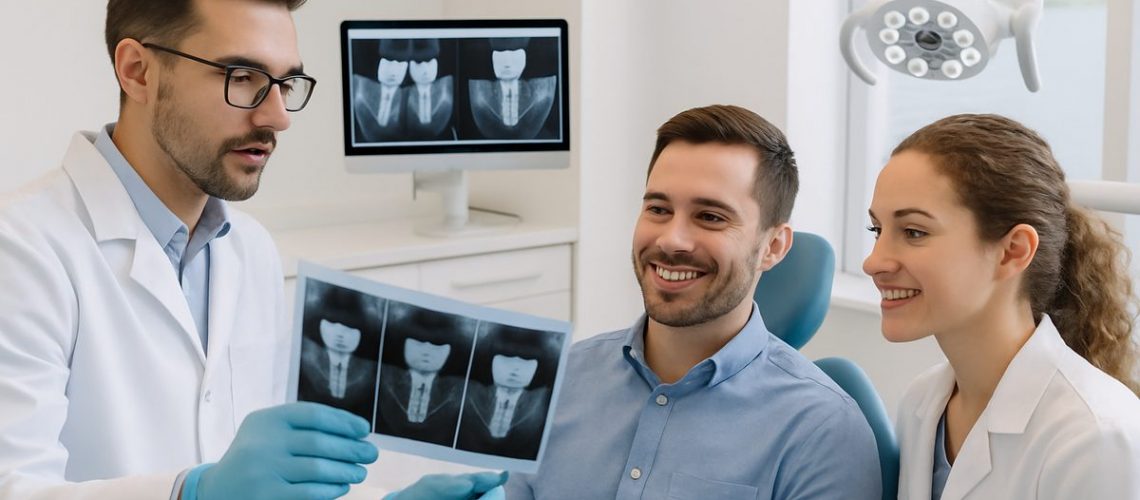
This guide explains what you’ll learn about finding dentists that specialize in implants by Ocala. You’ll get clear definitions of “dentists that specialize in implants,” what questions to ask, the implant types available, key technologies, the typical treatment process, cost and financing basics, and where to get care by Ocala.
How to choose dentists that specialize in implants
Look for training and memberships like implant certifications, prosthodontics training, AAID, and ADA affiliation. Verify hands-on experience by asking how many implants the dentist places each year and requesting before/after photos. Read patient reviews and look for long-term case follow-up. Confirm that the dentist manages both surgical and restorative phases or works closely with a restorative partner. Always check state licensure and any specialty credentials.
What implant options you should know about
Single-tooth implants — best for replacing one missing tooth; durable and preserves bone. Implant-supported crowns and bridges — replace multiple teeth with fewer implants; cost-effective. All‑On‑4/full-arch restorations — fast full-arch solution when many teeth are missing; often same-day function. Zygomatic implants — used when upper jaw bone is insufficient; more complex but avoids extensive grafting. Pros and cons include cost, healing time, and the need for grafts; your dentist will recommend the right option.
Key technologies used by dentists that specialize in implants
Digital treatment planning and 3D CBCT scans let dentists plan implant position precisely. CAD/CAM and in-office milling produce accurate crowns and bridges faster. Intraoral scanners replace messy impressions and improve fit. 3D printing makes surgical guides and models for predictable surgery. PIEZOSURGER® offers precise bone work with less soft-tissue trauma. BMP and PRGF aid bone and tissue healing. These technologies reduce surprises and improve outcomes.
What to expect during your implant journey
Typical steps: consultation and 3D planning, any needed bone grafting, implant surgery, healing and osseointegration (2–6 months depending on case), and final restoration placement. Some patients qualify for immediate load restorations; others need staged treatment. Aftercare includes soft-food diet initially, oral hygiene instructions, and follow-up visits to monitor healing. Pain is usually manageable with prescribed or over-the-counter meds.
How to evaluate cost, financing, and candidacy
Cost factors: number of implants, grafting needs, type of prosthesis, and lab work. Insurance may cover part of the restorative work but often not implants themselves. Ask about itemized estimates, available financing, in-house payment plans, and third-party lenders. At your consult, ask about likely extra procedures (grafts, sinus lifts), timeline, and a total expected cost range.
Meet the dentists that specialize in implants by Ocala
Dr. Rami Al Saidi is a restorative and implant dentist focused on full-arch restorations, digital planning, and long-term aesthetics. He holds advanced certifications and teaches clinical dentistry. Dr. Matthew Moye, DMD, is the managing implant dentist with hands-on surgical training and Implant Pathways certification; he emphasizes patient comfort and clear communication. Both treat complex cases and use a team approach.
Why choose Dental Implants of Ocala for implant care
Dental Implants of Ocala combines a surgical/restorative team, an on-site lab with CAD/CAM and 3D printing, and advanced grafting tech like BMP and PRGF. That means faster restorations, tighter quality control, and fewer outside delays. The practice offers consults, transparent pricing, and financing to help patients plan treatment.
Next steps: preparing for your consultation
Bring your medical history, current meds, photos of your smile if available, and a list of questions (cost, timeline, who performs each step). Ask for an itemized plan and what to expect at each visit. To start, call or request a consult to discuss candidacy, pricing, and next steps for implants by Ocala.