
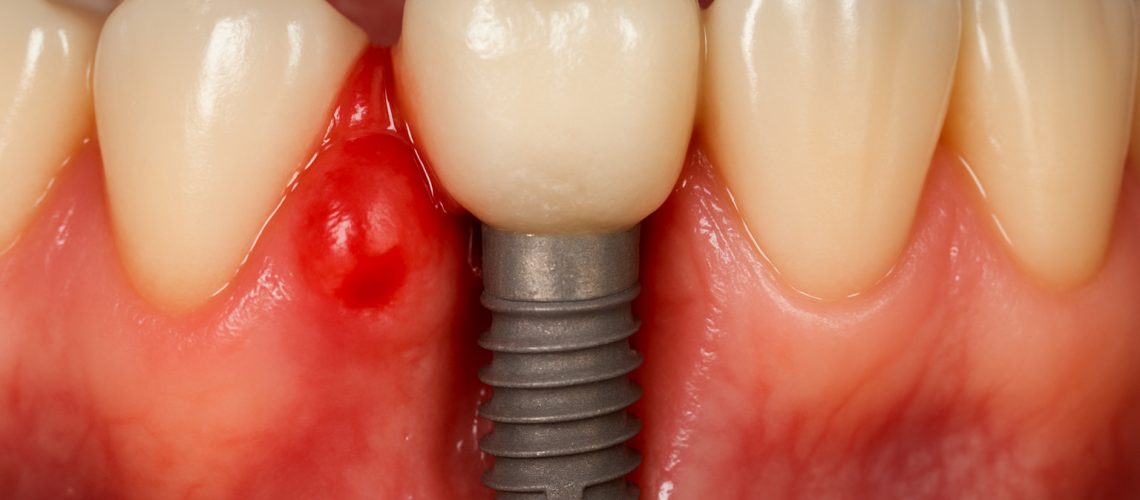
Tooth implant issues can range from minor annoyances to serious problems that threaten the implant. Early recognition matters because quick action often means simpler fixes and better outcomes. This post covers common tooth implant issues, how to prevent them, and clear next steps if you or a loved one notices trouble — including how to get evaluated for tooth implant issues in Ocala.
Common tooth implant issues patients see
Peri-implantitis (infection and inflammation)
Peri-implantitis is an infection around the implant that causes inflammation, gum recession, and bone loss. Signs include redness, swelling, bleeding when brushing, bad taste, or pus. Common causes are poor oral hygiene, missed maintenance visits, and smoking. Early treatment is crucial to stop bone loss and save the implant.
Poor osseointegration (implant won't fuse)
Osseointegration is the process where the implant bonds with the jawbone. If the implant does not fuse, it may feel loose, cause pain, or fail on X-ray. Risk factors include poor bone quality, uncontrolled medical conditions, excessive motion during healing, and certain medications. If fusion fails, your dentist may remove the implant and plan a retrial after healing and bone grafting if needed.
Loose or broken crown, abutment, or screw
Mechanical problems are common and often fixable. Symptoms include movement, clicking, or sudden changes in bite. Temporary fixes include re-tightening a screw or placing a temporary crown, but repeated issues may require a new crown, abutment replacement, or repair of the prosthesis.
Nerve, sinus, or bone complications
Less common but serious issues include numbness or tingling (nerve injury), sinus problems from implants near the upper jaw sinuses, and progressive bone loss. These complications need prompt evaluation and sometimes referral to a specialist for imaging and specialized care.
How to prevent tooth implant issues before they start
Thorough pre-treatment evaluation
Reducing risk begins before surgery. A full medical history, 3D imaging (CBCT), and digital treatment planning help identify bone quality, nerve location, and sinus anatomy. Proper planning reduces surprises and lowers the chance of complications.
Good oral hygiene and routine maintenance
Daily cleaning around implants prevents infection. Brush twice daily, floss or use interdental brushes, and use antimicrobial rinses if advised. Regular professional cleanings and implant checks let your provider catch early signs of trouble.
Healthy habits and medical control
Smoking greatly raises the risk of implant failure. Controlling diabetes and other chronic conditions, and discussing medications with your dentist, improves healing and long-term success. Lifestyle changes support durable results.
Using predictable technology and experienced planning
Guided surgery, intraoral scanning, and in-office CAD/CAM reduce human error. Surgical guides and digital workflows increase precision and lower the risk of misplacement, helping prevent many common tooth implant issues.
What to do if you notice tooth implant issues
When to call your dentist right away
Contact your provider immediately for swelling, fever, severe or worsening pain, sudden looseness, exposed threads, or pus. These are red flags that need prompt attention.
Diagnostics and short-term care
Your dentist will use X-rays or CBCT and intraoral photos or video to assess the implant. Short-term steps may include rinses, antibiotics, pain control, and protecting the area from chewing while diagnostics are completed.
Treatment options
Treatment depends on the problem. Options include:
- Non-surgical therapy: deep cleaning around the implant, local antiseptics, and antibiotics for infections.
- Regenerative approaches: bone grafting, BMP or PRGF to rebuild lost bone and soft tissue.
- Revision surgery: removing and replacing a failed implant, or repairing/replacing prosthetic parts.
Why consider Dental Implants of Ocala for reliable implant care
If you face tooth implant issues in Ocala, an implant-focused practice can simplify care. Dr. Nick Brand leads Dental Implants of Ocala with an implant-only approach, decades of experience, and a background that includes military residency and advanced implant training.
The practice uses technologies that reduce complications: in-office CAD/CAM and CEREC same-day restorations, 3D surgical guides and intraoral scanning for precise placement, PRGF and BMP for improved healing, piezosurgery for careful bone work, and an in-house lab for controlled prosthetic outcomes. These tools help prevent and treat many common tooth implant issues effectively.
To get an evaluation for tooth implant issues in Ocala, call the office to schedule a consultation. A clear diagnostic plan with imaging, a discussion of treatment options, and a written next-step plan will help you move forward with confidence.