
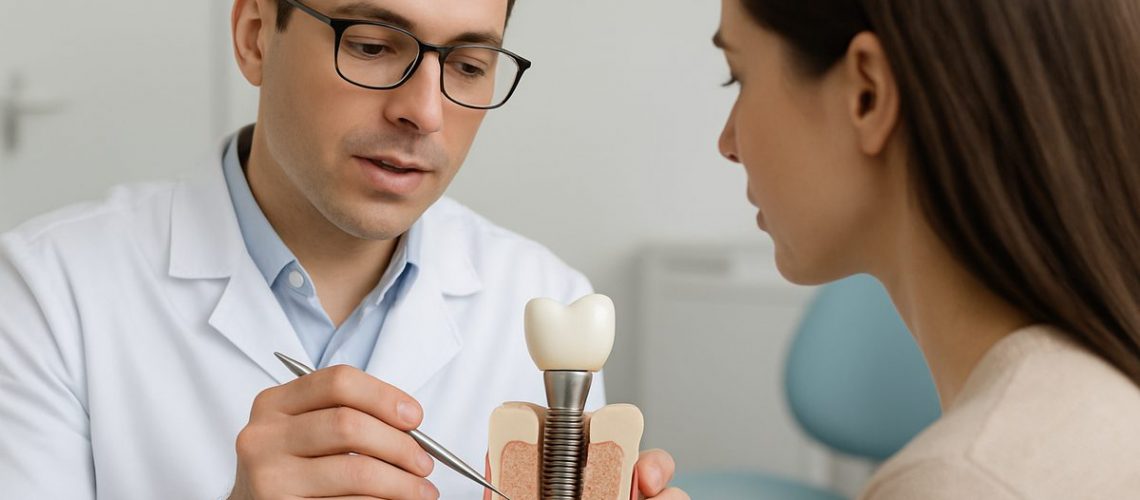
Learn what an endosteal implant is, why patients are asking about them in 2024, and what you can expect if you’re considering implant treatment. This guide covers the basics of how an endosteal implant works, common types, who makes a good candidate, the procedure timeline, benefits, risks, modern technologies that help, cost factors, and how to choose the right provider.
Typical outcomes include long-term tooth replacement that looks and functions like natural teeth. Most patients complete the process in a few months from planning to final restoration, though timelines can change with grafting or full-arch cases.
What Is an Endosteal Implant?
An endosteal implant is a dental implant placed directly into the jawbone to serve as a stable root for a crown, bridge, or denture. It sits inside the bone (the “endo-” part refers to inside the bone), unlike subperiosteal or zygomatic options that rest on or use other bones. Endosteal implants come in several shapes—most commonly screw-type, but also cylinder and blade designs.
Compared with other implant types, an endosteal implant offers predictable osseointegration (fusion with bone) and is the standard choice when there is enough jawbone. For patients near Ocala, an endosteal implant in Ocala, FL is often the first choice for single-tooth and multi-tooth restorations.
Common Types of Endosteal Implants
Screw-type implants
Screw-type implants are the most widely used form of endosteal implant. They look like a threaded titanium post and are valued for stability and ease of placement. Screw implants support single crowns, bridges, and full-arch prostheses reliably because the threads increase surface area and promote bone contact.
Cylinder and blade implants
Cylinder implants are smooth-tube designs used less commonly today. Blade implants are thin, flat devices historically used when bone width was limited. Modern screw designs and grafting techniques have largely replaced cylinder and blade implants, but they may still appear in older cases or specific clinical situations.
Who Is a Good Candidate for an Endosteal Implant?
Good candidates usually have adequate jawbone and overall health. Basic criteria include:
- Enough bone volume at the implant site or willingness to consider a graft
- Good oral hygiene and commitment to follow-up care
- Controlled chronic conditions (for example, diabetes under medical control)
- Non-heavy smoking or willingness to quit during treatment
- Adults—age is less important than bone health and systemic condition
Bone grafting (using BMP or PRGF techniques) can make endosteal implants possible for more patients by rebuilding the jaw where needed.
What to Expect: The Endosteal Implant Procedure
Consultation & digital planning
A thorough exam includes medical history, intraoral photos, and 3D imaging (CBCT). Digital treatment planning and CAD/CAM workflows let your provider plan ideal implant position and design surgical guides for accurate placement. This step speeds treatment and improves predictability.
Surgery and healing (osseointegration)
During surgery, the implant is placed into the jawbone under local anesthesia (with sedation if desired). Healing—called osseointegration—usually takes several weeks to a few months as the bone fuses to the implant. Normal recovery signs include mild swelling and soreness; increasing pain, persistent swelling, or pus are warning signs to contact your dentist.
Restoration: abutment and crown
After integration, an abutment attaches to the implant and a crown, bridge, or denture is made to fit. With in-office milling and digital labs, some restorations can be completed faster. Full treatment commonly spans 3–6 months, longer if grafts are needed.
Benefits of Choosing an Endosteal Implant
Endosteal implants offer long-term stability, preserve jawbone by stimulating bone, restore chewing and speech, and deliver a natural look. Compared with bridges, implants avoid cutting adjacent teeth. Compared with removable dentures, implants provide superior function and comfort.
Risks and How They’re Managed
Possible complications include infection, implant failure, damage to nearby nerves or sinuses, and delayed healing. Prevention and management include:
- Careful digital planning and surgical guides to avoid vital structures
- Perioperative antibiotics and sterile technique when indicated
- Close postoperative follow-up to catch problems early
- Managing systemic health and smoking cessation to lower failure risk
Contact your provider immediately for increasing pain, fever, numbness, or drainage at the site.
Modern Technologies That Improve Endosteal Implant Success
Advances that improve accuracy and outcomes include CAD/CAM design, 3D-printed surgical guides, digital treatment planning software, in-office milling for fast restorations, and 3D printers for models and guides. Biological aids like PRGF and BMP support faster bone and soft-tissue healing. PIEZOSURGERY® offers precise bone shaping with less trauma, and microscopes enhance surgical and lab precision.
Cost, Insurance, and Financing Options
Cost depends on number of implants, need for grafting, type of final restoration, and lab fees. Single-tooth endosteal implants often range from several thousand dollars, while full-arch cases are higher. Insurance may cover parts of the restoration but often limits coverage for implants. Many practices offer financing, payment plans, or third-party loans to spread costs.
How to Choose the Right Provider for an Endosteal Implant
Look for clear implant training and credentials, experience with complex cases, use of digital planning and on-site lab capabilities, and transparent treatment timelines and pricing. Ask to see before-and-after photos, success rates, and details about follow-up care. A team that coordinates surgical and restorative phases in-house often delivers smoother results.
Why Dental Implants of Ocala for Endosteal Implant Care
Dental Implants of Ocala provides comprehensive implant care in Ocala, FL with an in-office lab and advanced digital workflows. Dr. Rami Al Saidi and Dr. Matthew Moye bring focused implant training and experience with full-arch and restorative cases. The practice uses CAD/CAM, 3D printing, PRGF, BMP options, PIEZOSURGERY®, and same-day milling to make endosteal implant treatment predictable and comfortable for patients in Marion County and nearby areas.
Next Steps: Is an Endosteal Implant Right for You?
Schedule a consultation to review your medical history, bring prior x-rays if available, and expect a digital exam to quickly determine candidacy. A short digital plan can show timing, likely steps, and costs. To learn more or book a visit, ask about an endosteal implant in Ocala, FL during your consultation.