
Replacing a missing tooth with an implant can restore how you eat, speak, and smile. This guide explains who benefits from replacing a tooth with an implant, what the procedure involves, how recovery feels, and whether you’re a good candidate. Read on to learn the steps, risks, costs, and when to call for help.
What Is a Dental Implant?
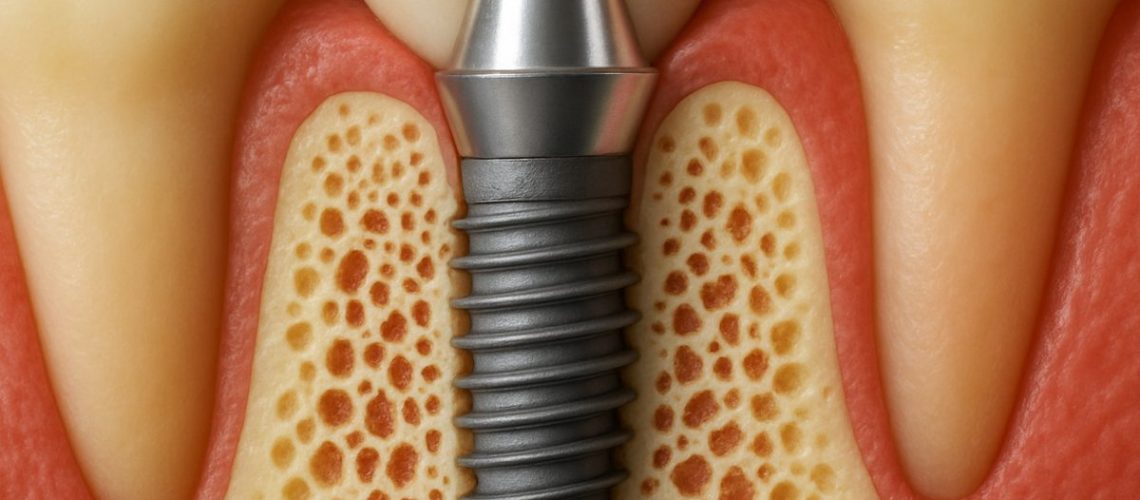
A dental implant is a titanium post placed into the jawbone that acts like a tooth root. The main parts are the implant (the post), the abutment (connector), and the crown (the visible tooth). Unlike bridges or dentures, implants fuse to bone and replace the root, which helps preserve jawbone and feel more natural when chewing. Replacing a tooth with an implant in Ocala often uses digital tools for precise planning.
Step-by-Step: What to Expect During Treatment
Initial consultation and planning
Your first visit includes an exam, photos, and 3D imaging to map bone and nearby structures. A clear treatment plan is made with a digital workflow so implant size, position, and final tooth shape are predicted ahead of time. This reduces surprises and shortens treatment time.
Surgery day: placing the implant
Surgery is done with local anesthesia so you don’t feel pain. The implant is placed into the bone, often using a surgical guide or PIEZOSURGERY® for precise cuts that protect soft tissue. The visit is usually quick — often under an hour for a single implant.
Healing and restoration
Bone needs time to grow around the implant (osseointegration), which can take weeks to months. You may get a temporary tooth while healing. When bone is stable, the abutment and final crown are made with CAD/CAM and an in-office lab for accurate fit and fast turnaround.
Recovery: Pain, Care, and Timeline
Mild to moderate soreness for a few days is normal and controlled with over-the-counter pain relievers or prescribed meds. Swelling and minor bleeding can occur. Follow soft-food and oral hygiene instructions. Most people move to a final crown in 8–16 weeks, but timelines vary. Call the office if you have heavy bleeding, intense pain, fever, or signs of infection.
Benefits of Replacing a Tooth With an Implant
Implants improve chewing and speech, preserve bone, and offer long-term strength and natural looks. They do not require altering nearby teeth like a bridge does, and they often last decades with proper care.
Risks, Complications, and When an Implant Might Not Be Right
Complications include infection, poor healing, or failed integration. Some patients lack enough bone or have medical conditions that raise risk. In those cases, bridges or removable options may be more appropriate.
Cost, Insurance, and Financing Options
Cost depends on number of implants, need for bone grafting, and materials used. Insurance sometimes covers part of the crown or surgery; many practices offer payment plans or third‑party financing to spread costs.
Am I a Candidate for Replacing a Tooth With an Implant?
Good candidates are in generally good health, have adequate bone, and healthy gums. Smoking, uncontrolled diabetes, or heavy bone loss may require extra steps like bone grafting or BMP/PRGF to improve success. Your dentist will assess and recommend the best path.
Why Choose Dental Implants of Ocala
Dental Implants of Ocala is led by Dr. Rami Al Saidi and Dr. Matthew Moye. The team uses an on-site lab, CAD/CAM, 3D printing, PRGF, and PIEZOSURGERY® to speed care and improve outcomes while keeping treatment comfortable and predictable.
Quick FAQ
Q: How long do implants last? A: With good care, implants often last decades and can be a lifetime solution. Q: Is the surgery painful? A: Most feel pressure during placement but little pain due to local anesthesia; soreness is temporary. Q: Do I need antibiotics? A: Not always—your dentist will decide based on your health and the procedure. Q: When can I eat normally? A: Soft foods right away, with normal chewing usually possible after healing and final crown placement.
Closing/Call to Action
If you’re considering replacing a tooth with an implant, schedule a consultation for a personalized exam and treatment plan. Call the office to discuss options, costs, and next steps for restoring your smile.