
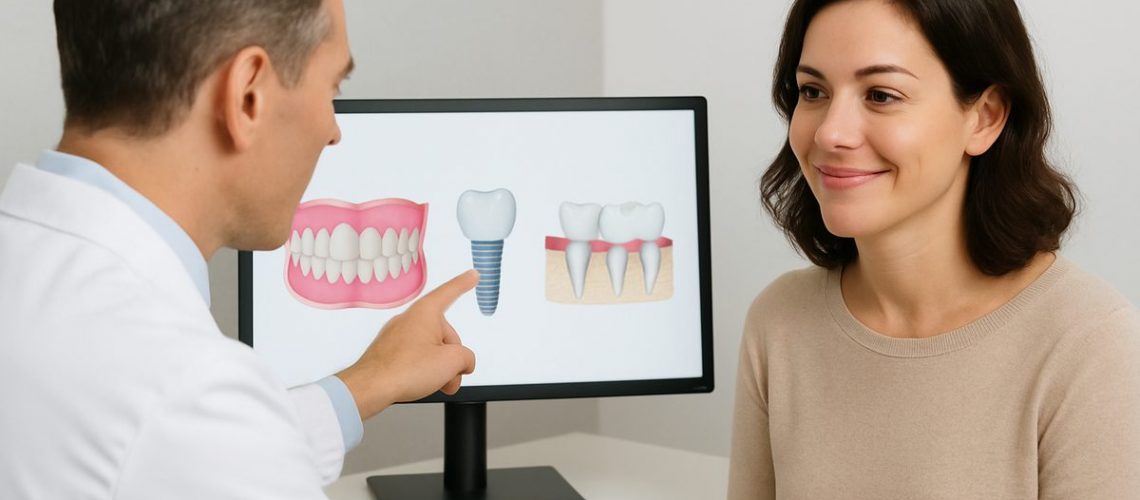
Many people ask, "How long do replacement teeth last?" By replacement teeth we mean dental implants and their attached crowns or prostheses. This article explains how implants work, typical lifespans, what affects longevity, and clear next steps for care and repair. If you’re searching for replacement teeth in Ocala, FL, you’ll get practical answers and when to seek help.
What Are Replacement Teeth (Dental Implants)?
Replacement teeth are permanent tooth options anchored to the jaw with a titanium implant. A typical implant restoration has three parts: the implant screw (the piece placed in bone), the abutment (connector), and the crown, bridge, or full-arch prosthesis that looks like teeth. Dental implants can replace a single tooth, support an implant-supported bridge, or hold an All‑on‑4/full‑arch rehabilitation.
How Long Do Replacement Teeth Last? Typical Lifespans And Survival Rates
Implant fixtures (the titanium posts) are designed to last decades and often last a lifetime with good care. The prosthetic parts — crowns, bridges, or full-arch bridges — wear over time and usually need replacement sooner.
- Implant fixture: many studies show survival rates above 90–95% at 10 years when placed and maintained well.
- Single implant crown: typically lasts 10–15 years before repair or replacement is needed, depending on material and bite forces.
- Full‑arch prosthesis/All‑on‑4: prosthetic teeth may need maintenance or replacement every 5–15 years; the underlying implants often remain stable longer.
Same-day, CAD/CAM‑milled restorations can offer excellent fit and fewer appointments, but long-term outcomes depend on design and material quality. Traditional lab-made restorations can be equally durable when crafted with precision. Overall, predictable long-term success comes from proper planning, materials, and follow-up care.
Key Factors That Affect How Long Replacement Teeth In Ocala, FL Last
Patient Health & Habits
Oral hygiene, smoking, uncontrolled diabetes, and teeth grinding (bruxism) reduce implant lifespan. Good daily care and medical control greatly improve outcomes for replacement teeth in Ocala, FL.
Bone Quality And Need For Grafting
Bone volume and quality affect initial stability. When grafts are needed, techniques like BMP or PRGF can improve bone regeneration and long-term support. Patients who need bone grafting may face a longer timeline but can still get durable replacement teeth in Ocala, FL.
Prosthesis Design, Materials, And Occlusion
Material choice matters: porcelain and zirconia are strong and wear-resistant; acrylic hybrids are lighter and easier to repair but may need more frequent maintenance. Proper occlusion (bite) design prevents overload and extends the life of both implants and prostheses.
Provider Skill And Technology
Experienced surgical and restorative planning improves outcomes. Guided implant placement, 3D planning software, microscopes, and CAD/CAM workflows increase predictability for replacement teeth in Ocala, FL.
How To Care For Replacement Teeth In Ocala, FL So They Last Longer
Daily home care and regular professional checks are essential:
- Brush twice daily and clean between teeth with floss or interdental brushes around implants.
- Use an antimicrobial rinse if recommended by your dentist.
- Schedule routine maintenance visits for professional cleaning, X‑rays, and pocket checks around implants.
- Quit smoking and manage medical conditions that affect healing.
- Wear a nightguard if you grind your teeth to protect restorations.
In-office tech like intraoral cameras and digital workflows helps track changes early and protect your replacement teeth in Ocala, FL.
When Replacement Teeth Fail: Warning Signs And Treatment Options
Watch for signs that an implant or prosthesis may be failing:
- Mobility of the implant or prosthetic tooth
- Pain, swelling, or persistent bad taste
- Gum recession or deepening pockets around the implant
Common causes include infection (peri-implantitis), mechanical fracture, overload from bite forces, or failed osseointegration. Treatments range from nonsurgical cleaning and antibiotics to surgical repair, bone grafting, prosthesis repair, or replacing the implant. Costs vary by treatment; many practices offer financing to spread payments.
About Dental Implants Of Ocala And Finding Long-Lasting Replacement Teeth In Ocala, FL
Dental Implants of Ocala focuses on implant care and durable restorations. Dr. Rami Al Saidi and Dr. Matthew Moye specialize in implant surgery and restorative solutions. The practice uses an in-office CAD/CAM lab, 3D planning, PIEZOSURGERY®, PRGF/BMP grafting options, and Digital Smile Design to improve outcomes and speed treatment.
If you want long-lasting replacement teeth in Ocala, FL, schedule a consultation to review your health, bone needs, and a personalized treatment plan. The team can review financing and next steps during your visit.
FAQ: Quick Answers About Replacement Teeth In Ocala, FL
How Long Will My Replacement Teeth (Dental Implants) Last?
Implant posts can last decades or a lifetime with good care. Crowns and prostheses typically last 5–15 years depending on material, use, and maintenance.
Will Dental Implants Hurt Or Need Special Care?
Placement is done with anesthesia; most patients have manageable discomfort that fades in days. Implants need the same home care as natural teeth plus regular professional checks.
Can Anyone Get Replacement Teeth In Ocala, FL?
Most adults are candidates, but factors like bone volume, smoking, and uncontrolled medical conditions can affect candidacy. A consultation evaluates your options.
How Do I Know If An Implant Is Failing?
Look for mobility, pain, swelling, persistent bad taste, or gum changes around the implant. If you notice any signs, contact your implant provider promptly for an exam.